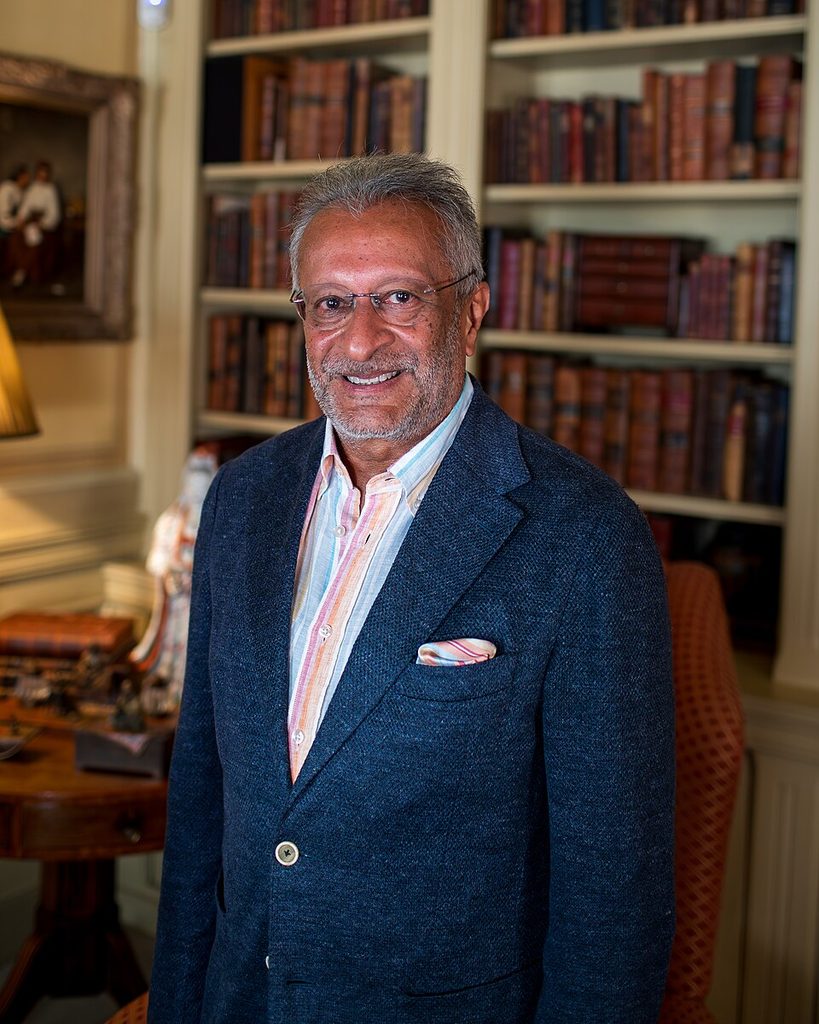
Corruption allegations took centre stage at the High Court last week as a hotly contested libel trial got underway between prominent British businessman and long-time Tory party donor, Mohamed Amersi, and the BBC.
Amersi brought this libel claim in response to a major investigation by the BBC’s Panorama team into Amersi’s involvement in allegedly corrupt telecoms deals in Uzbekistan, Kazakhstan and Nepal. Its focus was Amersi’s role as adviser to Swedish-Finnish telecommunications company, Telia, and his alleged involvement in the bribes that it paid to powerful, politically-connected figures across these countries. These included a $220 million bribe to Gulnara Karimova, daughter of the then Uzbek President, and so-called “gatekeeper” of the Uzbek telecoms industry.
The Meaning at the Libel’s Core
While the Uzbek deals were previously investigated by Swedish and US authorities – and were the subject of a $965 million bribery settlement – this libel trial turns on how the BBC characterised Amersi’s role in these transactions. In a preliminary judgment, the High Court held that the natural and ordinary meaning of the publications was that:
- Amersi was involved in at least two deals or payments, while acting on behalf of Telia; and
- Those deals or payments were corrupt; and
- There are strong grounds to suspect that Amersi knew or should have known that those deals or payments were corrupt.
As the parties delivered their opening arguments last week, some key battlegrounds emerged that have wider significance beyond this case – including the question of when unethical conduct amounts to ‘corruption’, and the role of professionals, such as lawyers and accountants, in facilitating high-risk deals.
Reputational harm or recycled complaints?
In pursuing legal action against the BBC, Amersi claims that the scandal caused by their publications has seriously harmed his reputation. He contends the BBC’s coverage led to him being “de-banked”, asked to stand down from positions at a number of organisations, and most astonishingly, “deprived” of a knighthood and a peerage.
The BBC, in turn, claims that Amersi’s arguments on serious harm suffer from evidentiary weakness and narrative inconsistency, with various alleged losses actually having occurred prior to the release of their publications. The public broadcaster characterised his claim as nothing more than recycled allegations from a previous libel action that Amersi – unsuccessfully – pursued against former Conservative MP Charlotte Leslie.
Credible business or corrupt dealings?
At the heart of the case is the question of whether the telecoms deals can be fairly characterised as ‘corrupt’. Indeed, the BBC highlights that “a key point of contention between the parties is what is meant by corruption”, with Amersi, unsurprisingly, opting for a narrow definition of the term. He argues that the BBC’s allegations are based on little more than speculation and generalisations about operating in high-risk emerging markets like Uzbekistan, Kazakhstan and Nepal.
The BBC defends its publications on both truth and public interest grounds. These defences put the onus on the BBC to now either prove corruption – something even law enforcement agencies often struggle to make out – or at least advance a compelling case for the public interest in reporting on Amersi’s involvement in allegedly corrupt deals. Crucially, however, they emphasise that if even one deal (of the impugned nine) is found to have been corrupt, Amersi’s whole case will fail there and then.
Vindicated or veiled by good company?
In backing up Amersi’s claim that his business dealings were above board, his counsel highlighted the involvement of a “stellar cast of legal and accountancy characters”, from Clifford Chance to PwC, as evidence of the relevant transactions’ legitimacy.
The BBC, however, contends that just because reputable firms were involved does not mean that there weren’t red flags for corruption in these deals. As we have seen in other cases, the involvement of credible institutions can make firms complacent when handling high-risk clients or transactions. Corruption is often enabled by complex and layered networks of professionals who prop up dodgy financial structures and provide, through bankable reputations and hefty market power, a stamp of legitimacy to otherwise suspicious transactions.
A high bar and a long haul
Launched in 2022, these proceedings illustrate how long – and costly – libel cases can be to reach trial. Many investigative journalists and public interest reporters do not have the resources to defend their work to the point of trial, which makes them vulnerable to abusive lawsuits designed to silence critics. Although the BBC’s status as a public broadcaster puts it in a different position, it nevertheless still faces a high bar to make out its defences.
Ultimately, whichever way this trial goes, the case demonstrates the high stakes of reporting on corruption allegations. While libel claims can be brought fairly easily by those with deep pockets (as evidenced by the multiple libel claims brought by Amersi), those required to answer for their scrutiny of alleged corruption have a tough time of it.