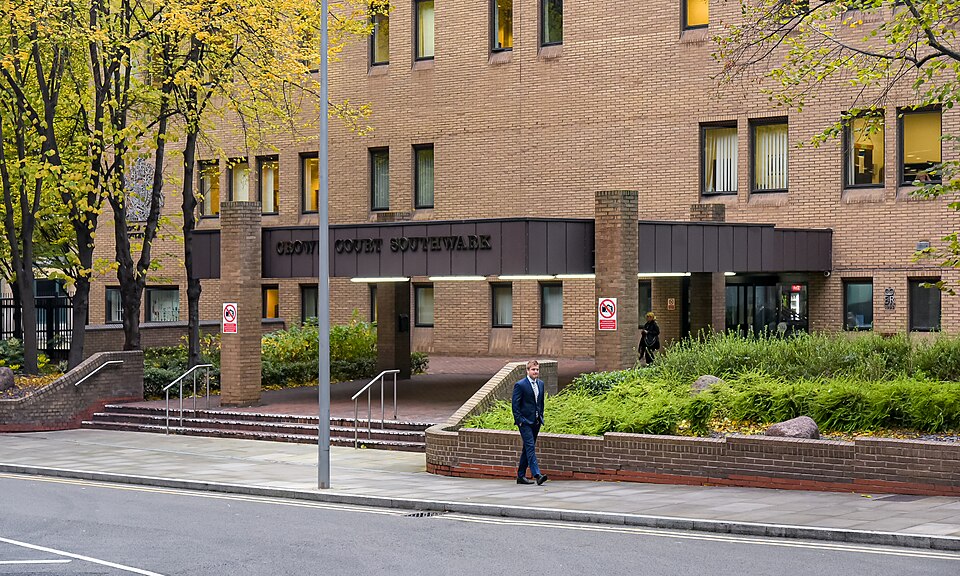
This week, a landmark corruption trial for senior executive accountability kicked off at Southwark Crown Court.
The UK’s Serious Fraud Office (SFO) – in a significant test for the agency – is prosecuting Marwan Chedid and George Salibi, former senior executives of oil and gas giant, Petrofac, for offences under the Bribery Act 2010. These charges evolved out of a wider SFO investigation into payments made by Monaco-based agency Unaoil to Iraqi officials in exchange for oil contracts, following the overthrow of Sadam Hussein.
Alleged bribes to secure billion-dollar deals
Petrofac Group, once a FTSE100 firm listed on the London Stock Exchange until entering administration in 2025, designed, built, and operated oil and gas facilities in the Middle East. Chedid is Petrofac’s former chief operating officer, while Salibi held various senior positions in the company. Both defendants were based in the United Arab Emirates (UAE).
The SFO alleges that, between 2012 and 2018, Chedid and Salibi offered or gave payments worth over $30 million to various agents, including London-based Basim Al-Shaikh, in order to influence the awarding of contracts worth $3.3 billion to Petrofac. These payments consisted of either flat payments or a percentage of the value of any contract awarded to Petrofac. Such contracts related to various oil facilities in the UAE, including the Upper Zakum Field Development Project – the second largest oil field in the Gulf.
A key test for senior executive accountability
The UK suffers from a serious accountability gap when it comes to senior executives: when economic crime or wrongful financial conduct is alleged to have occurred, more often than not it is the company – and not the people running it – that must answer for such allegations. Our research has shown that, between 2013 and 2024, only 13% of the SFO’s individual convictions were directed at large firm senior executives, despite large firm wrongdoing forming 60% of its casework. This makes it too easy for companies to factor fines into the cost of doing business rather than changing the behaviour of corporate bosses who direct decision-making and firm culture.
This long-awaited prosecution of former Petrofac executives is a rare opportunity for the SFO to show its mettle going up against former corporate bosses who have spent tens of millions on legal defence costs. In seeking to land a successful prosecution, this trial constitutes both a pivotal moment for the SFO’s prosecutorial ambition and a crucial test for whether it can deliver on it.